





Three Locations
Ready to Serve You!









Current Specials & Events



Central Florida's Best Plastic Surgery & Dermatology Center
At Ocala Plastic Surgery & Dermatology, our surgeons, dermatologist and staff make it their shared mission to meet the unique needs of each patient with knowledge, sensitivity, and experience.
Dr. Rogers, Dr. Nijher, Dr. Carreras-Montgomery, and Dr. Blossom each bring a different background and a unique perspective to the practice, and create the highest skilled surgery and dermatology group in the Central Florida area.
MEET OUR TEAM
Restore, Rejuvenate, & Redefine Your Beauty
Our practice is dedicated to providing exceptional plastic surgery and dermatology, and achieving a beautiful, natural-looking result for our patients. We strive to combine surgical expertise, artistic vision, and outstanding service to make your visit with us a positive, rewarding experience. We offer a complete range of modern procedures that include non-surgical and surgical techniques.
LEARN MOREPlastic Surgery Procedures

Enhance the appearance of the breast in a number of ways with procedures like Breast Augmentation, Breast Lift, Breast Reduction, and Breast Reconstruction.
Explore Procedures
Achieve your desired body with procedures like a Tummy Tuck, Liposuction, Arm Lift, or achieve comprehensive enhancement with a Mommy Makeover.
Explore Procedures
Restore your youthful and healthy facial appearance with procedures like a Face Lift, Nose Surgery, Eyelid Surgery, and even Hair Transplant options.
Explore Procedures
Our Aqua Med Spa offers a variety of was to help your look and feel your youngest. We offer a full list of Spa Services, Skin & Injectables, and Laser treatments.
Explore ProceduresGain a better understanding of the results we can help you achieve.
SEE THE RESULTS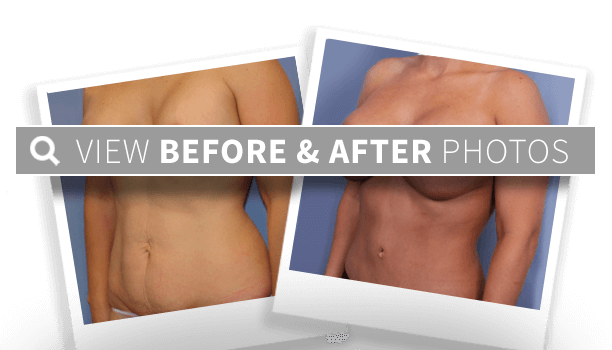


Ocala Plastic Surgery & Dermatology’s Aqua Med Spa provides the latest non-surgical anti-aging and rejuvenation services in a comfortable and relaxing setting, all safely under the supervision of our Board Certified Plastic Surgeons. We offer a full range of laser treatments, skin and injectable products, and skin care procedures.







World's most proven technology for non-invasive fat reduction.
Freeze away Fat. No surgery. No needles. Little to no downtime.
Earn, track, or redeem Allē points with every purchase.



at Any Age
As you age, there are a wide range of surgical procedures, non-surgical cosmetic treatments, and dermatology procedures that can help you reach the beauty goals you want to achieve. We offer the most effective treatments and procedures to enhance and compliment your natural beauty as you age.





It is our number one goal to make sure each client of ours is satisfied with the way they are treated from consultation to procedure. We want to give you lasting results that you are proud of.
READ MORE REVIEWSOur patients come from all across Florida and the Southeast to receive world-class care at Ocala Plastic Surgery & Dermatology and Aqua Med Spa.
CONTACT US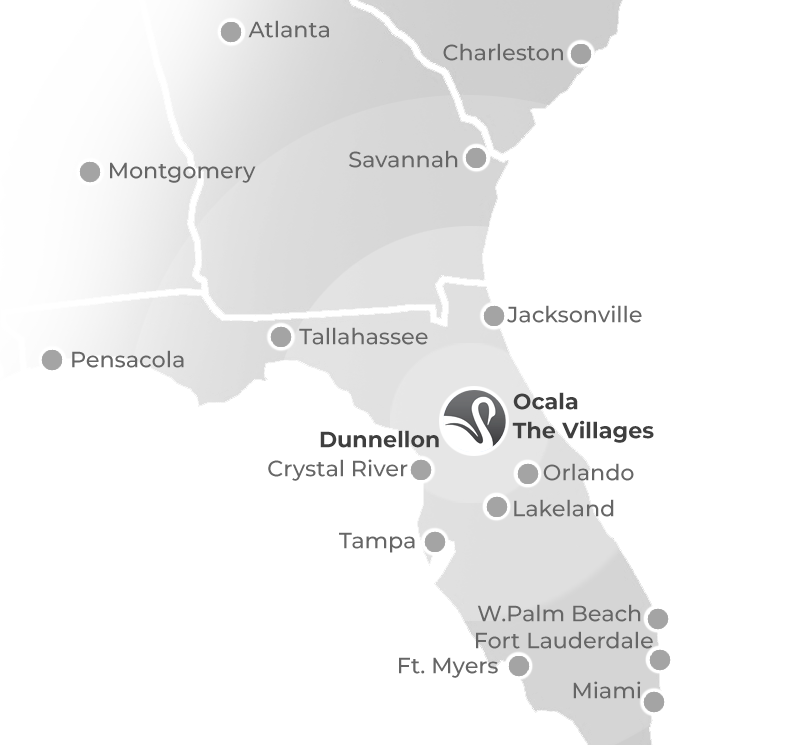
*Complimentary consultations are for cosmetic procedures and cosmetic treatments only and not for dermatology or insurance consults.


